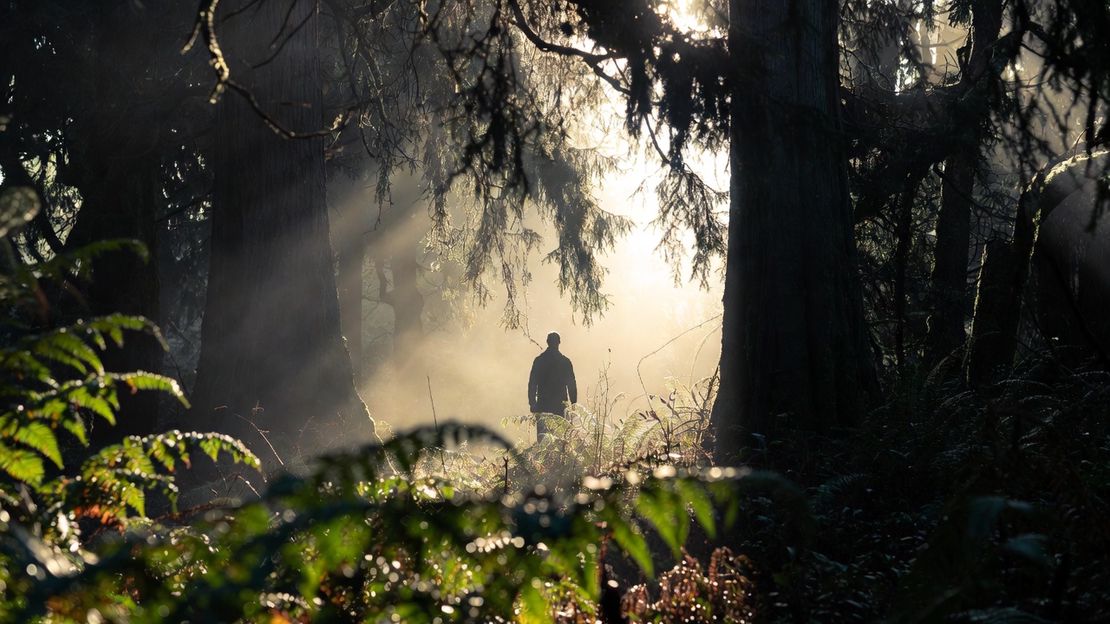
Practical Ways to Reconnect with Nature in Daily Life
This is part 2 of a two-part series. Read part 1 here: The Science of Nature Connection: What Happens to Your Brain Outside.
In part 1, I covered the research on what happens to your brain and body when you spend time in nature. The Stanford studies. The Japanese forest bathing research. The neuroscience of restorative environments. Now I want to get into the practical side: how to actually build nature into a modern, urban life.
Nature Deficit Disorder
The journalist Richard Louv coined the term nature deficit disorder in his 2005 book “Last Child in the Woods.” It is not a formal medical diagnosis. Louv used it to describe the growing gap between children and the natural world, and the measurable consequences of that separation.
His evidence was mostly anecdotal at first, but the research caught up. Studies now show that children who spend more time outside have better attention spans, lower rates of anxiety and depression, and higher academic performance. They also show more creativity in unstructured play. When you remove nature from childhood, something breaks.
I do not think this applies only to children. Adults have the same problem. We just call it stress or burnout or anxiety instead of recognizing that we might be suffering from a lack of regular exposure to living systems. I have noticed in my own life that the worst periods of low mood always correlate with weeks when I barely went outside.
Biodiversity and Mental Health
A newer area of research looks at the relationship between biodiversity and psychological wellbeing. The idea is that not all green spaces are equal. A manicured lawn with three identical trees might not have the same effect as a wild meadow with dozens of plant species and visible insect life.
A 2017 study from the University of Exeter found that people living in areas with greater bird diversity reported higher life satisfaction than those in areas with fewer species. The effect was comparable to the difference in income between higher and lower earnings brackets. This surprised me. It suggests that the richness of the ecosystem around you matters for mental health, not just the presence of green.
Studies on urban parks in Europe and North America have found similar patterns. The more diverse the plant and animal life, the stronger the psychological benefits for visitors. This has implications for how we design cities. Paving over a vacant lot and planting grass might be better than nothing, but restoring native habitat with varied plant species and attracting birds and insects provides more value.
Finding Nature in the City
You do not need to live near a forest to get the benefits. Urban nature is real, and it works.
I have lived in dense cities for most of my adult life. I learned to find nature in small doses. A courtyard with an old oak tree. A rooftop garden. The narrow strip of soil along a sidewalk where weeds push through cracks. These count. The research supports this. Even a single tree visible from a window is associated with lower stress and higher satisfaction.
What matters is attention. You can walk through a park while looking at your phone and it will not help much. The benefit comes from actually engaging with the space. Looking at the way light moves through leaves. Noticing which birds are around. Feeling the temperature change when you step from pavement into shade.
This is harder than it sounds. I still catch myself walking through a beautiful natural space while thinking about work emails. But when I manage to stay present, the effect is immediate and reliable.
Practical Ways to Reconnect
I have been experimenting with different ways to build nature into daily life. Here is what actually works.
Walk without a destination. The best nature experiences I have had in cities came from wandering without a plan. I found a hidden creek behind a strip mall. I discovered a community garden I did not know existed. When you walk without a goal, you notice more. This also happens to be the same reason you actually need to be bored sometimes for your brain to reset.
Learn the names of things. This might sound counterintuitive. Some people think naming things takes the magic out of nature. But for me, the opposite happened. When I learned to identify five birds in my neighborhood, I started noticing them everywhere. The world got richer, not poorer. The same works for trees, plants, clouds.
Bring nature inside. Houseplants, fresh flowers, an open window. These small choices change the sensory environment of your home. Some studies suggest that even looking at images of nature can produce measurable benefits, though less than the real thing.
Grow something. It does not have to be ambitious. A pot of herbs on a windowsill counts. Watching something grow creates a daily connection to natural cycles that we mostly ignore in modern life.
Find a regular spot. The research on consistency is strong. A short daily exposure to nature beats a longer exposure once a month. I have a bench in a small park near my apartment where I sit for ten minutes most mornings.
Combine nature with physical movement. Walking, running, or cycling outside has compound effects. You get the benefits of exercise and nature exposure at the same time. This is the same principle behind why tiny habits can transform your routine more than big ambitious changes.
Frequently Asked Questions
How long do I need to spend in nature to see benefits? The research suggests that twenty minutes in a natural setting, with attention paid to the environment, is enough to significantly lower cortisol levels.
Does it have to be wilderness? No. Urban parks, community gardens, tree-lined streets, and even backyards all produce measurable benefits.
Can looking at pictures of nature help? Some studies show that viewing images of nature can reduce stress compared to viewing urban scenes, but the effects are smaller and shorter than real exposure.
What is the difference between a walk in nature and regular exercise? Both are beneficial, but they work through different mechanisms. Exercise primarily improves cardiovascular health through endorphin release. Nature exposure reduces stress hormone levels and restores attention through sensory changes.
Is nature deficit disorder a real diagnosis? It is not recognized as a clinical condition by the DSM. Richard Louv coined the term to describe the observable consequences of reduced nature contact. The research supports the concept even if it is not a formal diagnosis.
The Path Forward
I am not arguing that everyone should move to the countryside. Most of us cannot or do not want to. But I think we underestimate how much our environment shapes our mental state. We spend money on supplements, therapy, meditation apps, and productivity tools, while ignoring the most accessible intervention available.
The natural world does not require a subscription. It does not need batteries. It has been here the whole time.
The challenges facing our planet, from climate change to biodiversity loss, are real. But I find it hard to care about something I never experience. The people who protect nature tend to be the people who spend time in it. The connection works both ways. We need nature to be healthy, and nature needs us to pay attention.
Step outside today. Even for five minutes. The natural world is still there, waiting for you to notice it again.
Read part 1: The Science of Nature Connection: What Happens to Your Brain Outside
Tags :
Related Posts
The Science of Nature Connection: What Happens to Your Brain Outside
The Science of Nature Connection: What Happens to Your Brain Outside This is part 1 of a two-part series. Read part 2 here: Practical Ways to Reconnect with Nature in Daily Life.
Read More
How Weather, Nature, and Wildlife Shape Life in the City
Walk through any city on a given morning and you will witness something remarkable: thousands of people moving through space, each responding in their own way to the same environmental conditions. Some quicken their pace under gray skies, others slow down to enjoy the warmth of sunshine on their face. A child stops to watch a pigeon while their parent checks the time. A jogger breathes deeply near a park entrance. These small moments reveal a simple truth we are all connected to nature, even in the most built-up environments. Reconnecting with the natural world is essential for modern wellbeing.
Read More